
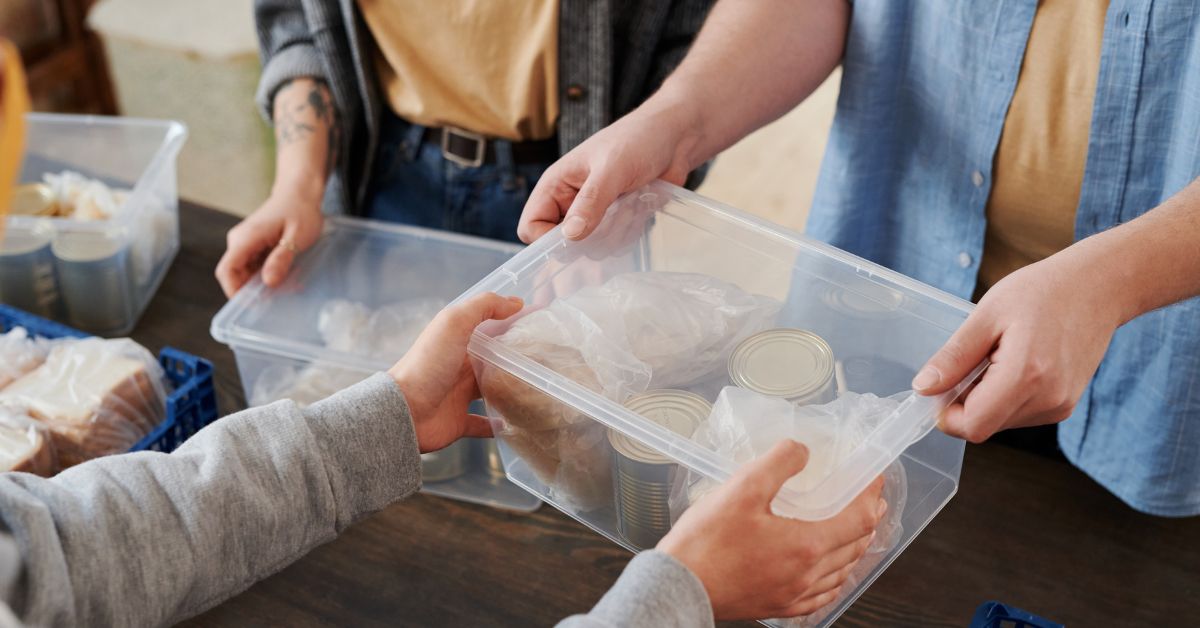
Walk into any town in Derbyshire — Belper, Ripley, Matlock, Ilkeston — and you’ll likely find a food bank tucked away behind a church hall or community centre. They’re run by kind-hearted volunteers, stocked by generous donors, and used by thousands every year. But behind the rising demand is a quiet, often uncomfortable debate bubbling away:
Are food banks the safety net of a failing system — or have we become too dependent on them?
⸻
A Lifeline for the Forgotten
For many, the answer is clear: food banks are essential.
Local food banks regularly report rising usage, and many of their clients are working people — nurses, care workers, single parents — who simply can’t stretch their pay packet far enough.
“People think it’s just those on benefits, but that’s outdated,” says a volunteer at a Derbyshire food bank. “We’re seeing people in full-time jobs who still can’t afford the basics. It’s heartbreaking.”
Between soaring energy bills, rising rent, and the ever-increasing price of a loaf of bread, some households are faced with impossible choices. Eat or heat. Bus fare or baby formula. For these people, food banks are a lifeline.
Not a luxury. Not a lifestyle. A necessity.
⸻
But Are We Losing Basic Skills?
Yet, not everyone sees it this way. Some argue that the root problem isn’t just poverty — it’s a cultural shift.
“People don’t cook from scratch anymore,” says a retired butcher from Ilkeston. “They don’t know how to make a meal out of a bag of carrots and a chicken carcass. It’s all ready meals and takeaways.”

It’s a sentiment echoed in kitchens across Derbyshire — especially among the older generation. A generation raised on rationing, waste-not-want-not values, and home-cooked meals. Many feel that some people simply haven’t been taught how to cook or budget.
“Sometimes we give out food parcels and people don’t know what to do with it,” another food bank worker admits. “They’ll say, ‘What’s this?’ when handed dried lentils or tins of kidney beans.”
Then there’s the thornier issue:
Do some people take advantage?
“People are using food banks and then spending their wages on vaping, tattoos, and takeaways,” one frustrated commenter posted on social media. “It’s like we’re enabling bad choices.”
While this view can sound harsh, it reflects a genuine public concern — are food banks being misused by some, while others are too proud to even ask for help?
⸻
The Shame, the Stigma, and the Reality
Most food bank users don’t waltz in with a grin. They arrive quietly, often in tears, embarrassed that life has come to this.
“People apologise when they come in,” says a coordinator in Chesterfield. “They say, ‘I never thought I’d end up here.’”
And let’s not forget: nobody gets food without a referral. GPs, schools, social workers — all have to confirm the need. This isn’t a free-for-all.
Still, maybe there’s room for improvement. Could food parcels be paired with free cooking classes? Should schools be teaching budgeting alongside algebra? Could we build a future where food banks are only needed in rare emergencies — not as a monthly lifeline?
⸻
So, What’s the Truth?
The truth is uncomfortable and complicated. Yes, some people do need urgent help. Yes, some have lost the skills to live frugally. Yes, some may take advantage. But most — most — are just trying to survive.
Food banks aren’t the problem. They’re a symptom of deeper ones. Low pay. High costs. Broken systems. Missing skills. And a society that sometimes prefers pointing fingers to offering hands.
If Derbyshire is to have a real conversation about food poverty, it can’t just be about lentils and loyalty cards. It has to be about how we care for each other — and how we teach each other to cope, cook, and climb back up when life knocks us down.
⸻
Have your say. Do you think food banks are being used responsibly in Derbyshire? Share your thoughts on our Facebook page



Leave a Reply