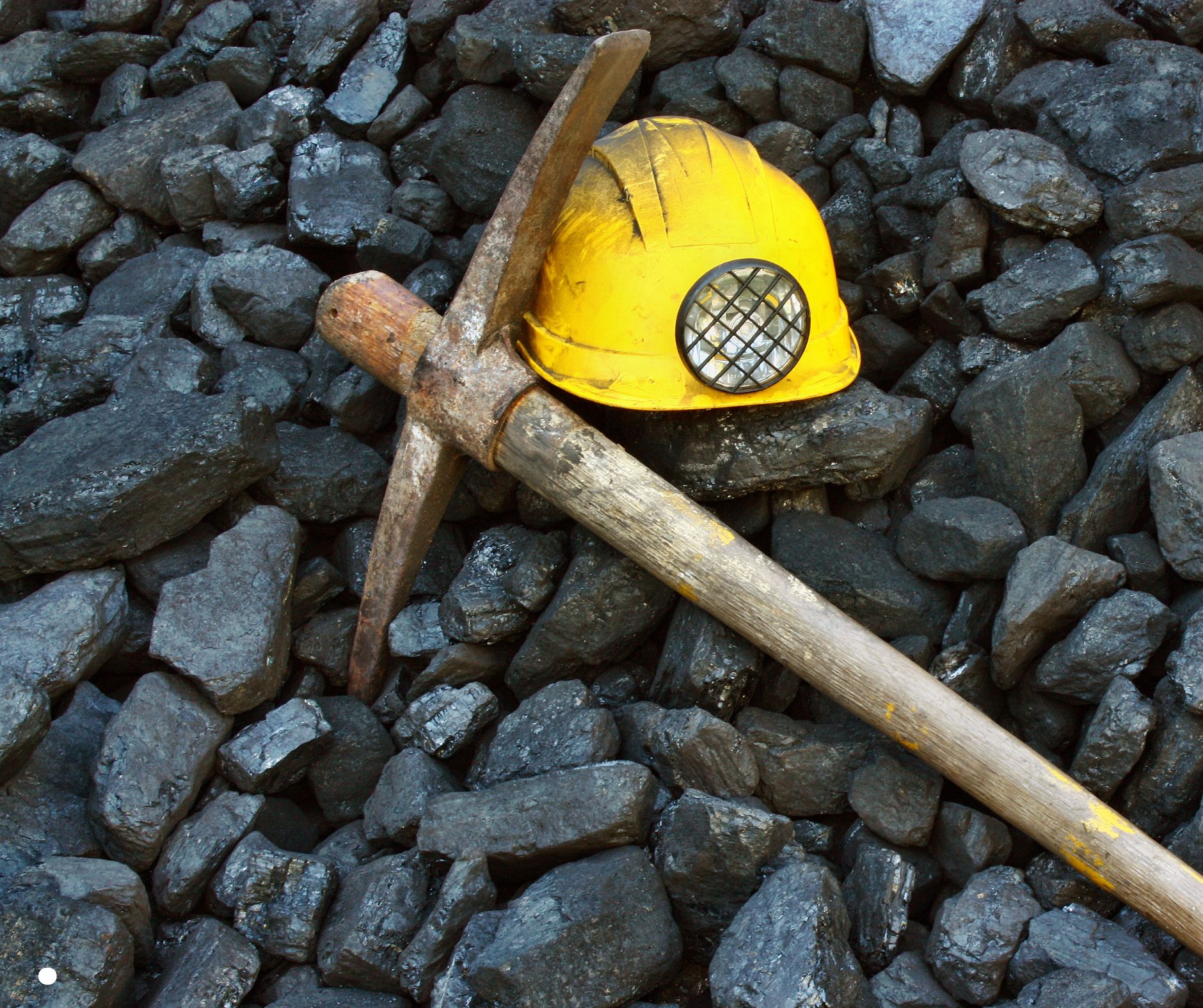
For centuries, coal mining formed the beating heart of Derbyshire’s identity. Beneath its rolling hills and rugged moorland lay rich seams of black gold that fuelled Britain’s industrial might. From the 17th century through to the late 20th century, coal mining shaped communities, powered economies, and created a culture deeply rooted in resilience and solidarity.
The Roots of the Industry
Coal mining in Derbyshire dates back to at least the 1600s, but it was during the Industrial Revolution that the county became a key player in Britain’s coal supply. The region’s geography made it ideal for deep mining, and by the 19th century, pits were operating in places like Chesterfield, Ilkeston, Alfreton, and Bolsover. The demand for coal surged, feeding the furnaces of steelworks, locomotives, and households across the UK.
A Way of Life
Mining wasn’t just a job — it was a way of life. Generations of families worked the pits, and entire towns grew around collieries. The miners formed tight-knit communities bound by hardship, loyalty, and union solidarity. Social life revolved around miners’ welfare clubs, brass bands, and local football teams. Despite the dangers and harsh conditions, there was a sense of pride and purpose in the work.
Decline and Closure
The decline began in the mid-20th century. Cheaper imports, changing energy policies, and environmental concerns led to pit closures. The 1984–85 miners’ strike became a defining moment — particularly in Derbyshire, where several collieries became flashpoints in the national dispute. The conflict left lasting scars, dividing communities and families.
By the early 1990s, the writing was on the wall. The last deep coal mine in Derbyshire — Markham Colliery — closed in 1993. Surface mining lingered for a short while, but large-scale coal extraction had effectively ended. Thousands were left without work. The economic fallout was devastating — unemployment spiked, social problems grew, and once-thriving towns faced decline.
Legacy and Regeneration
In the decades since, former mining towns have had to reinvent themselves. Some areas have seen regeneration through retail parks, green spaces like The National Forest, and tourism projects. Yet the social and economic wounds run deep. The memory of mining lives on in memorials, museums, and the stories of those who lived through its rise and fall.
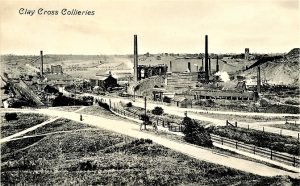
Clay Cross Collieries
Should Coal Return to Derbyshire?
With growing concerns about energy security and the UK’s reliance on imported fuel, a provocative question emerges: should coal mining return to Derbyshire to help the UK become self-sufficient?
It’s a divisive issue. Supporters argue that re-opening mines could boost local economies, create jobs, and reduce dependence on foreign energy sources — especially during times of global instability.
But opponents counter with the environmental cost. Coal is the dirtiest fossil fuel, and bringing it back would run counter to the UK’s net-zero goals. Many communities that once relied on coal have transitioned toward cleaner, greener futures and may not want to turn back the clock.
What Do We Owe the Future?
Derbyshire’s coal mining past is a source of pride and pain. While its return could offer short-term economic gains, it also risks repeating old mistakes and undermining the progress made toward sustainability.
For some, the memory of coal is a symbol of strength and resilience. For others, it’s a chapter best left in the past.
Would you support the return of coal mining in Derbyshire — or is it time to dig deep for cleaner answers?