
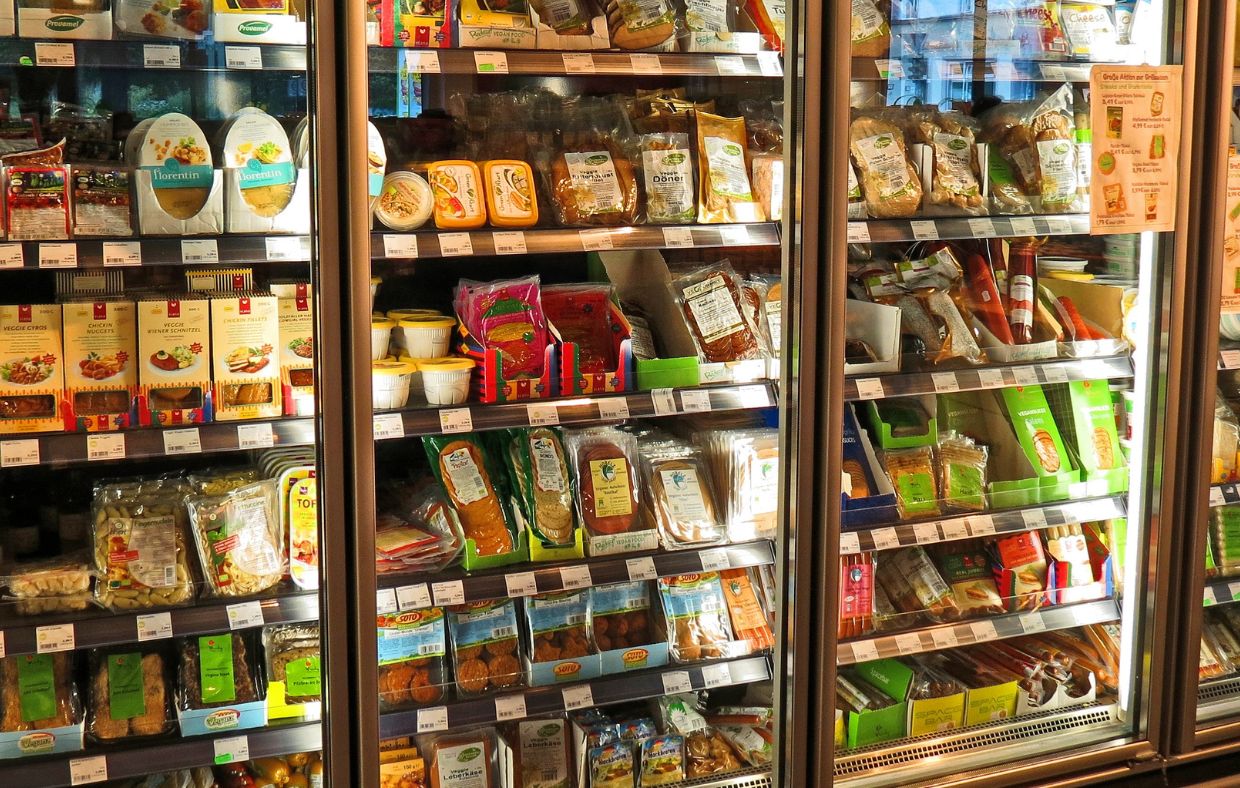
Walk into any Derbyshire supermarket today and you’ll be hit by aisle after aisle of brightly coloured packaging, meal deals, and snacks promising “flavour” and “value.” But behind the slick marketing lies a growing concern: the rise of ultra-processed foods and the impact they are having on our health.
What are ultra-processed foods?
Not all processed food is bad. Freezing peas or pasteurising milk are simple processes that help preserve nutrition. But ultra-processed foods (UPFs) are different. They’re often made in factories using ingredients you wouldn’t use in your own kitchen — emulsifiers, stabilisers, flavour enhancers, preservatives, and colourings.
Think ready meals, fizzy drinks, biscuits, chicken nuggets, and those “can’t-stop-at-one” snacks like crisps and Pringles. These products are designed not only to last longer on the shelves, but to be almost irresistible to eat.
Meat pumped with water and additives
Even staples like meat aren’t always what they seem. Reports have shown that chicken breasts and bacon on the shelves can be pumped with water, salt, and even phosphates to increase weight and shelf life. Shoppers might think they’re buying simple cuts of meat, but in reality, they’re paying for a chemical cocktail.

Processed Food
Why whole foods matter
Nutritionists agree that the closer we eat to the source — fruit, vegetables, whole grains, fresh meat, and fish — the better it is for our bodies. Whole foods provide the nutrients we need without the hidden extras. Ultra-processed diets, by contrast, are linked to higher rates of obesity, diabetes, heart disease, and even some cancers.
The addiction problem
One of the biggest issues is that UPFs are engineered to be addictive. That perfect crunch of a Pringle or the sweetness of a chocolate bar isn’t accidental. Food scientists spend millions perfecting the “bliss point” — the exact combination of sugar, fat, and salt that makes our brains light up with reward. Once you open the tube, it’s no wonder you struggle to stop.
The affordability crisis
But here’s the hardest truth: many Derbyshire families can’t afford to avoid UPFs. A bag of frozen chicken nuggets or a pack of instant noodles can feed a family for less than the price of fresh meat and vegetables. For households already struggling with high food bills, energy costs, and tight budgets, ultra-processed foods aren’t a choice — they’re a necessity.
This creates a vicious cycle: the cheapest calories are often the least healthy. Families on lower incomes are pushed towards diets that increase long-term health risks, while healthier whole foods remain out of reach.
Time for change?
Should supermarkets in Derbyshire do more to make fresh food affordable? Should government step in with subsidies for fruit, vegetables, and whole foods — instead of allowing ultra-processed products to dominate the shelves? Or is this down to personal responsibility and consumer choice?
⸻
What do you think?
• Do you avoid ultra-processed foods, or do you find them impossible to resist?
• Should Derbyshire push for cheaper, healthier options in our shops?
• Or is this just modern life, with convenience winning over health?
We’d love to hear your views. Share your thoughts — and maybe even what’s in your shopping basket — in the comments below.



Leave a Reply